
Mindset
How to Enjoy Running: What Other Runners Are Doing That You're Not
You're not doing it wrong, you're just running too hard and expecting too much. Here's how to slow down, drop the pressure, and actually enjoy your runs.
Oct 24, 2026
Reading pace
225 words/min
Duration
13:00 min
Elevation
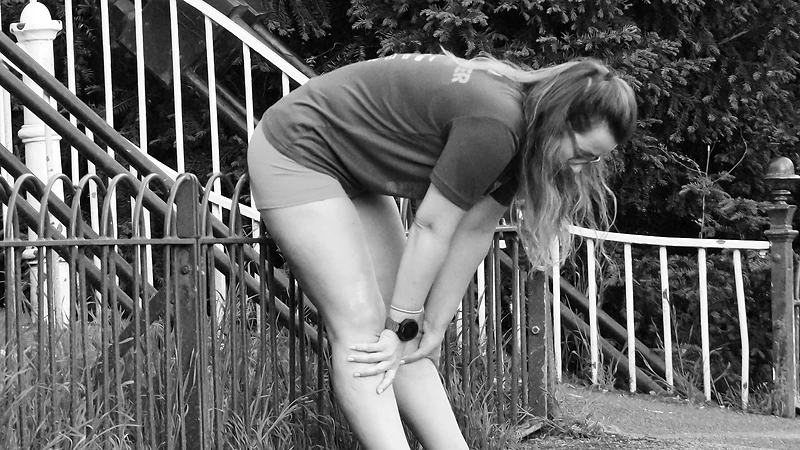
Some people talk about running like it is the best part of their day.
They say things like, “I needed that run,” or “Running clears my head,” or “I feel so alive after.”
Meanwhile, you might be thinking, “How?” Because for you, running feels like work. It feels like something you “should” do, not something you want to do.
The good news is this: most runners who truly enjoy running are not born with special motivation. They just do a few key things differently. And once you copy those things, running gets easier to like.
Why Running Feels Like a Chore When Other Runners Seem to Love It
Running feels like a chore when every run has pressure attached to it.
Pressure to be faster. Pressure to burn calories. Pressure to improve. Pressure to prove you are “fit.” Pressure to match what you see online.
When you stack pressure on top of an already hard activity, your brain starts to treat running like a punishment. Even if you like the idea of being a runner, you might not like the actual experience of running.
Other runners often enjoy it because they have learned how to make most runs feel manageable. They also stopped needing every run to “count” in a big way.
Enjoying running is not about becoming a different person. It is mostly about changing how you run, how often you push, and what you expect to feel.
You Might Be Running Faster Than You Need To
This is one of the biggest reasons people hate running.
A lot of runners go out the door and instantly run at a pace that feels like a challenge. Not a sprint, but not easy either. It is that uncomfortable middle zone where you can keep going, but you are working the whole time.
That pace makes every run feel like a test.
It also makes recovery harder, so your next run feels even worse. Over time, you start linking running with suffering.
Many runners who love running do something that looks almost too simple.
They run easy. Like, really easy.
What an Easy Run Should Actually Feel Like
An easy run should feel like you could keep going longer than you planned.
It should feel controlled, like you are not fighting your body the whole time.
Here are a few signs you are actually running easy:
- You can talk in full sentences without gasping.
- Your breathing is steady, not desperate.
- You finish the run feeling like, “That was fine,” not “Thank goodness that is over.”
- Your legs feel warm and worked, but not destroyed.
- You could do the same run again tomorrow if you had to.
If you are using pace, easy pace is often slower than people want to admit. If you are using effort, think “comfortable” instead of “impressive.”
If slowing down hurts your pride, remind yourself of this: the point of an easy run is not to show off. It is to build endurance and make running feel livable.
You're Treating Every Run Like a Fitness Test
A fitness test run has its place. It is just not supposed to be your default.
When every run becomes “Let’s see how fast I can go today,” you turn running into a constant performance.
That is exhausting mentally, not just physically.
Try this simple rule for the next month:
- Most runs should feel easy.
- A small amount of running should feel hard.
You can still have workouts. You can still chase goals. But if you want to enjoy running, you need plenty of runs that feel safe and doable.
Overcoming Boredom While Running
Boredom is a massive hurdle for many people who try to get into running but can't seem to get past it. The repetitive motion, the solo time, and the steady pace can all contribute to a feeling of monotony that makes running feel like a drag rather than an enjoyable activity.
However, boredom doesn’t have to be a deal-breaker. With a few strategies, you can transform your runs from tedious chores into engaging experiences.
Change the Experience, Not Just Your Attitude
One of the best ways to overcome boredom is to actively change the experience itself. This might mean:
- Exploring new routes: Running somewhere new introduces fresh sights and stimuli, breaking up the mental monotony.
- Listening to music, podcasts, or audiobooks: These can keep your mind entertained and distracted from repetitive thoughts.
- Running with others: Joining a casual running group or running with a friend adds social interaction and motivation.
- Mixing up your pace: Incorporate intervals of faster running or walk-run methods to keep things dynamic.
- Turning runs into experiments: Try different approaches each time—running slower than usual, going no-watch to run by feel, or focusing on noticing small sensory details around you.
Focus on Small Things to Appreciate During Your Run
Train your brain to connect running with pleasant experiences by consciously noticing enjoyable small details such as:
- The sound of your feet hitting the ground
- The breeze or wind on your face
- Natural scents like fresh rain or flowers
- Visual treats like sunsets or quiet streets
- Friendly dogs or smiling faces you pass by
Relaxing your body during these moments—in particular your face and shoulders—can help shift the run from feeling like a struggle to something more fluid and enjoyable.
Make It Manageable and Fun with Music
Boredom often creeps in when runs feel overly long or too strenuous. One effective way to fight this is by listening to music while you run. This might seem obvious to some, but have you consistently tried it? Creating a playlist filled with your favorite upbeat songs can make the time pass faster and keep your mind engaged.
Music provides a rhythm to follow, which can help maintain a steady pace and distract from repetitive thoughts or fatigue. Choosing tracks that match your running tempo can also boost motivation and energy levels.
If you’re dreading runs, try pairing them with different genres or podcasts to keep things fresh and entertaining. By incorporating music into your routine, running becomes less about pushing through discomfort and more about enjoying the experience, helping you overcome boredom and find more joy in every step.
Stop Expecting Every Run to Feel Good
Even runners who love running do not feel amazing on every run.
Some runs feel smooth. Some feel heavy. Some feel awkward. Some feel boring. Some feel like your legs are made of wood.
That is normal.
One reason running becomes miserable is when you think a “good run” is the only acceptable outcome. Then, the moment you feel tired, you assume something is wrong.
Instead, aim for something more realistic:
A run can be successful even if it does not feel great. In fact, embracing the suck can work to your advantage.
Success can look like:
- You showed up.
- You kept it easy.
- You listened to your body.
- You stopped before you turned it into a suffer-fest.
- You finished and still had energy for the rest of your day.
When you stop demanding that every run feel good, running becomes less emotional. It becomes a practice. And practices have ups and downs.


Chasing the Runner's High: Why You Might Not Be Experiencing It
The “runner’s high” is real for some people. It's essentially a short-lived state of euphoria and "feel-good" that runner's experience during or immediately after a run. But it does not happen every run, and not everyone experiences it in the same way.
Also, a lot of what people call a runner’s high is not a magical wave of happiness.
Sometimes it is just:
- Relief that the run is done
- A calmer mood afterward
- A sense of pride
- A quiet feeling in your head
- Stress leaving your body
If you go into every run trying to force a runner’s high, you will often feel disappointed. That disappointment makes running less enjoyable.
There are also a few practical reasons you might not feel it much:
- You run too hard, so the run feels like survival.
- You are under-fueled, so you feel drained instead of good.
- You are under-slept, so everything feels harder.
- You are stressed, and you expect running to instantly fix it.
- You are comparing your experience to someone else’s highlight reel.
Can You Increase Your Chances of Experiencing a Runner's High?
You cannot fully control it, but you can make it more likely.
Here are simple things that help:
- Run easy for longer, instead of hard for shorter. Many people feel better late in an easy run.
- Warm up slowly. Give your body time to settle in.
- Eat enough during the day. Running on empty often feels awful.
- Sleep. Nothing makes running feel worse like being tired.
- Pick a route you like. Your brain notices the environment more than you think.
- Use music or a podcast sometimes, if it helps you relax.
You are basically trying to send your body the message: “We are safe. We can do this.”
That matters. And this could translate into that trance-like state we call the Runner's High.
Stop Making the Runner's High the Goal of Every Run
Make “runner’s high” a bonus, not the mission.
A better goal is something you can control:
- Keep it easy the whole time.
- Finish feeling better than when you started.
- Notice one good thing during the run.
- Stop before you feel wrecked.
If you do that consistently, you will likely have more enjoyable runs. And you might notice those good after-run feelings showing up more often.
Find a Reason to Run That Actually Matters to You
If your only reason to run is guilt, you will not enjoy it for long.
A reason that lasts is one that feels personal.
Ask yourself this:
“If nobody could see my runs, would I still want to do them?”
If the answer is no, that is not a failure. It is a clue. It means your “why” might be borrowed from someone else.
Good reasons to run can be simple:
- You like having quiet time alone.
- You want to feel mentally tougher.
- You like seeing your neighborhood in the morning.
- You want more energy for your kids.
- You want to feel proud of keeping promises to yourself.
- You want a hobby that helps your mood.
Look Beyond Weight Loss and Race Times
Weight loss and race times are common goals, but they can also make running feel like a job.
They push you toward thinking:
- Faster is always better.
- More is always better.
- If you are not improving, you are failing.
That mindset sucks the fun out of running.
Try adding at least one non-performance reason to your list, like:
- “I run to handle stress better.”
- “I run because it helps me feel strong.”
- “I run to get outside.”
When your reason to run is bigger than a number, running starts to feel meaningful.
Make Progress Feel Like It's in Your Control
If you only measure progress by speed or things outside of your control, you miss a lot of wins.
Other runners often celebrate progress like this:
- “I ran three times this week.”
- “I kept my easy runs easy.”
- “I did not quit when it got boring.”
These are all things that are within your control and you can track progress. Losing weight and running
fast are usually more dependent on factors outside of your control.
When progress feels rewarding and in your control, running feels less like punishment and more like growth.
Change the Experience, Not Just Your Attitude
People love to say, “Just be more disciplined.”
That advice is not useless, but it is incomplete.
If the experience of running feels bad, you will need endless willpower to keep doing it. That is not a great plan.
Instead, change the experience.
Here are easy ways to do that:
- Run somewhere prettier, even if you have to drive five minutes.
- Try trails or parks instead of sidewalks.
- Change the time of day. Morning runs feel different than afternoon runs.
- Wear gear that feels comfortable. Bad socks can ruin everything.
- Use a run-walk method if you need it. It still counts.
- Run with a friend once a week, or join a casual group.
- Give yourself permission to stop early sometimes.
If you make running feel nicer, you will want to come back to it.


Your Training Routine Could Be Making Running Harder Than It Needs to Be
A lot of runners accidentally build routines that are too aggressive.
They do too much too soon. Or they run hard too often. Or they never take real rest days.
Then they wonder why running feels miserable.
If your body is always tired, running will always feel like a battle.
Some signs your routine might be too much:
- You dread runs more than you look forward to them.
- Your legs feel sore most days.
- Your easy pace keeps getting slower.
- You feel tired during the day.
- Small aches keep popping up.
Build a Routine You Can Recover From
A routine you can recover from is one you can repeat.
Here is a simple, realistic structure for many people:
- Run 2 to 4 days per week.
- Keep most runs easy.
- Do one “harder” day at most (only if you are recovering well).
- Take at least one true rest day (no physical activity whatsoever)
- Add walking on non-running days if you want movement without stress.
Also, build up slowly. Your lungs may improve fast, but your tendons and joints take longer.
If you are always flirting with injury, it is hard to enjoy running. Your brain stays tense because it expects pain.
Learn to Pay Attention to the Experience Instead of the Numbers
Numbers can be useful. They can also steal your joy.
If you stare at pace, heart rate, distance, and splits every run, you might stop paying attention to how you actually feel.
Other runners often learn how to “run by feel.”
That means you notice things like:
- Your breathing
- Your posture
- Your shoulders relaxing
- Your feet landing lightly
- The rhythm of your steps
This helps because your body is not a machine. Some days you will be faster. Some days you will be slower. That is normal.
If you can accept that, running becomes less stressful.
Find Small Things to Appreciate During a Run
This sounds cheesy until you try it.
Pick one small thing to notice each run:
- The sound of your feet
- The wind
- The smell after rain
- A nice sunset
- A quiet street
- A dog that looks happy to see you
- The moment your body finally warms up
You are training your brain to connect running with something pleasant, not just effort.
And here is a trick that works surprisingly well:
At some point in the run, relax your face and drop your shoulders.
A tense body feels like a struggle. A relaxed body feels more like flow.
Stop Comparing Your Running Experience With Everyone Else's
People love to document their happy and positive moments of running in social media. And there's nothing wrong with this.
However, the dark side is when you see this and start comparing yourself to how others are having fun when running.
You see someone posting a fast pace and smiling selfie, and you assume:
“They love running. I am doing it wrong.”
But you did not see:
- Their bad runs
- Their injuries
- Their breaks
- Their bad sleep
- Their hard seasons
- Their out-of-shape weeks
- Their life stress
Also, some people enjoy running because they have been doing it for years. Their bodies are adapted. Yours might still be learning.
The only fair comparison is you versus you.
Are you improving in consistency? In recovery? In confidence?
That is real progress.
Make Your Next Run an Experiment, Not an Obligation
If running feels heavy right now, stop making every run a big promise.
Make it a small experiment.
Here are a few experiments you can try, one at a time:
- The “too easy” run: Go slower than you think you should. Finish feeling fresh.
- The run-walk run: Run 2 minutes, walk 1 minute, repeat. Keep it relaxed.
- The no-watch run: Leave the watch at home, or cover the screen. Just run by feel.
- The shorter run: Run for 15 minutes. Stop while it still feels okay.
- The new route run: Explore somewhere new, even if it means driving a bit.
- The gratitude run: Notice three good things, even small ones.
Experiments remove pressure by being curious. And when pressure goes down, enjoyment goes up.
If you want a simple plan for your very next run, do this:
- Start slower than you want to.
- Breathe like you are trying to stay calm, not prove something.
- Finish the run thinking, “I could do that again.” That is how a running habit becomes something you actually like.
Not overnight. But for real.
From page to pavement
Wear the idea you just read
The real secret in this piece is wanting to go again tomorrow. Make the run feel like yours, down to what you're wearing.
Design Your Own Running Apparel