
Injury & Recovery
Foot Pain After Running? Do This Before Your Next Run
Foot pain after a run is a warning, not a challenge to push through. Find your pain zone, do the 24-hour reset, and test your return with a short run-walk.
Oct 12, 2026
Reading pace
205 words/min
Duration
11:00 min
Elevation
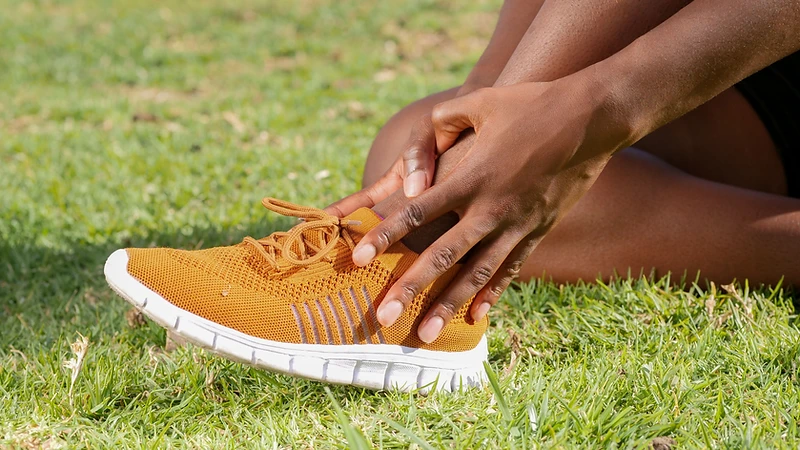
You finish a run feeling proud. Then later, your foot starts to hurt.
Maybe it is your heel. Maybe it is the bottom of your foot. Maybe it is the top, the side, or even your toes.
Foot pain after running is common. But it is not something you should just "push through" and hope it goes away. Small problems can turn into big injuries if you keep running the same way.
This guide will help you figure out what might be going on and what to do before your next run so you do not make it worse.
First, a quick safety check
Do not run again yet if you have any of these:
- You cannot walk normally (you are limping).
- The pain is sharp and sudden.
- Your foot is very swollen, bruised, or hot.
- You felt or heard a "pop."
- The pain gets worse each day even with rest.
- You have numbness or tingling that does not go away.
If any of those are true, it is smarter to get checked by a doctor, sports medicine clinic, or physical therapist.
If your pain is mild to moderate and you can walk without limping, keep reading.
Step 1: Find the pain "zone" (this matters a lot)
Where it hurts is the biggest clue. Use this simple map.
Pain in the heel or bottom of the foot (near the heel)
This often points to plantar fasciitis or an irritated plantar fascia.
Common signs:
- Worst pain is with the first steps in the morning.
- Heel feels sore after sitting, then standing.
- Pain eases once you warm up, but comes back after.
Pain in the ball of the foot (under the toes)
This may be metatarsalgia (too much pressure) or irritation around the metatarsals.
Common signs:
- Feels like you are running on a pebble.
- Worse in thin shoes or on hard ground.
- Worse when you push off.
Pain on the top of the foot
This can be a sign of extensor tendon irritation or sometimes a stress reaction.
Common signs:
- Pain where the laces sit.
- Worse when you bend your foot upward.
- Sometimes linked to shoes that are too tight on top.
Pain on the outer side of the foot
This can involve the peroneal tendons or the outer edge of the foot taking too much load.
Common signs:
- Pain increases on uneven surfaces.
- Pain with pushing off or turning.
- Tender along the outside edge.
Pain in the arch (not just the heel)
This could be plantar fascia strain, a tired arch, or a support problem.
Common signs:
- Achy arch after longer runs.
- Worse in worn out shoes.
- Better with support or taping.
Pain in toes or around the big toe
This could be toe joint irritation, blisters, nerve irritation, or shoes that crowd your toes.
Common signs:
- Pain only during the run.
- Hot spots, rubbing, or numb toes.
- Big toe feels stiff or sore after.
If you cannot tell where it hurts, press gently around the foot with your fingers and find the most tender spot. That spot helps you choose the right fix.
Step 2: Answer these 5 questions (they reveal the real cause)
Most foot pain after running comes from a few repeat patterns. Ask yourself these questions and write down your answers. This will guide what you change before the next run.
- Did I increase miles or speed recently? Even a small jump can overload the foot, especially speed work and hills.
- Did I change shoes, insoles, or socks? New shoes can change how your foot hits the ground. Even "good" shoes can cause pain if they do not fit your foot.
- Did I run on a new surface? More concrete, more cambered roads, or more trails can stress different parts of the foot.
- Is one foot worse than the other? One-sided pain often means form issues, strength imbalance, or a shoe problem on that side.
- Does it hurt at the start, middle, or end of the run? Pain at the start that improves may be tight tissue warming up. Pain that grows during the run can mean overload. Pain after the run can mean inflammation or too much impact.
Step 3: Do this "24-hour reset" before your next run
If your foot hurts today, do not try to "test it" with another run right away. Do this reset first.
1) Reduce impact for 24 to 72 hours
Pick one:
- Easy walking only (if it does not cause limping), or
- Bike, swim, or elliptical to keep fitness without pounding.
The goal is simple: calm the area down.
2) Use the pain rule
During daily life, keep pain at:
- 0 to 2 out of 10 = okay
- 3 to 4 out of 10 = be careful, reduce activity
- 5+ out of 10 = stop and rest more
If walking is already a 5 out of 10, running will likely make it worse.
3) Try gentle ice or heat (choose one)
- If it feels hot, swollen, or irritated: try ice for 10 to 15 minutes.
- If it feels stiff and tight: try warmth for 10 minutes, then gentle movement.
Do not ice so much that your skin gets numb for a long time.
4) Do a simple foot check
Stand barefoot and look:
- Are your toes cramped or squished?
- Does one arch collapse much more than the other?
- Do you see a big callus on one side that suggests uneven loading?
None of this is a diagnosis. It just tells you if something obvious might be going on.
Step 4: Fix the 3 biggest things that cause foot pain
Before your next run, focus on these. They solve a large percent of running foot pain.
1) Shoe fit and lacing (most runners miss this)
Shoes cause a lot of foot pain because of two simple issues: fit and age.
Quick shoe fit test (30 seconds)
- Stand up in your running shoes.
- Press your thumb in front of your longest toe.
You want about a thumb's width of space. If your toes touch the front, your foot takes extra stress every step.
Check shoe age
Most running shoes feel "fine" long after they stop supporting you well.
If your shoes are around 300 to 500 miles broken in, or the foam feels flat, they may be part of the problem.
Try this lacing change (it helps top-of-foot pain fast)
If pain is on the top of the foot under the laces, your shoes may be too tight across the top.
Try skipping an eyelet in the painful area. Lace normally, but do not cross the laces over the sore spot. Many runners feel relief right away.
Heel slip? Use "runner's loop"
If your heel moves up and down, your foot can slide forward and jam toes.
Use a runner's loop (also called heel lock lacing). It holds the heel back without making the whole shoe tighter.
2) Calm the plantar fascia and calves (even if the pain is not in the heel)
Your foot and calf work together like a team. Tight calves can pull on the heel and arch. A tired plantar fascia can make the whole foot feel cranky.
Do this short routine once or twice a day for a few days.
Calf stretch (straight knee)
- Hands on wall
- Back leg straight, heel down
- Hold 30 seconds, 2 times each side
Calf stretch (bent knee)
This targets the deeper calf.
- Same position, but bend the back knee slightly
- Heel stays down
- Hold 30 seconds, 2 times each side
Foot roll (gentle)
- Roll the bottom of your foot on a tennis ball or lacrosse ball
- 60 to 90 seconds each foot
- Keep it mild, not painful
If rolling is very painful, do it lighter or skip it for now.
3) Wake up the small foot muscles (so your foot stops overworking)
Weak foot muscles can make your plantar fascia and tendons do extra work.
Try these:
Short foot exercise (arch lift)
- Stand barefoot
- Keep toes relaxed
- Gently pull the ball of your foot toward your heel so the arch lifts a little
- Hold 5 seconds
- Do 8 to 10 reps per foot
This should feel like control, not cramping.
Towel scrunch (easy version)
- Put a towel on the floor
- Use toes to pull it toward you
- 2 rounds of 20 to 30 seconds
If your toes cramp, do less time.
Step 5: Use this "test run" plan (do not jump back in)
When your pain is improving and you can walk normally, do a test run that is hard to mess up.
The 10-minute run-walk test
- 1 minute easy jog
- 1 minute walk
- Repeat 5 times
Rules:
- Stay very easy. You should be able to talk.
- Stop if pain hits 3 out of 10 or changes your stride.
- If pain is worse later that day or the next morning, your foot was not ready.
What to do if the test run is fine
Wait a day, then do:
- 15 to 20 minutes easy continuous running
If that goes well, slowly build up. Keep speed work and hills out for a week or two.
Common foot pain causes and what to do right now
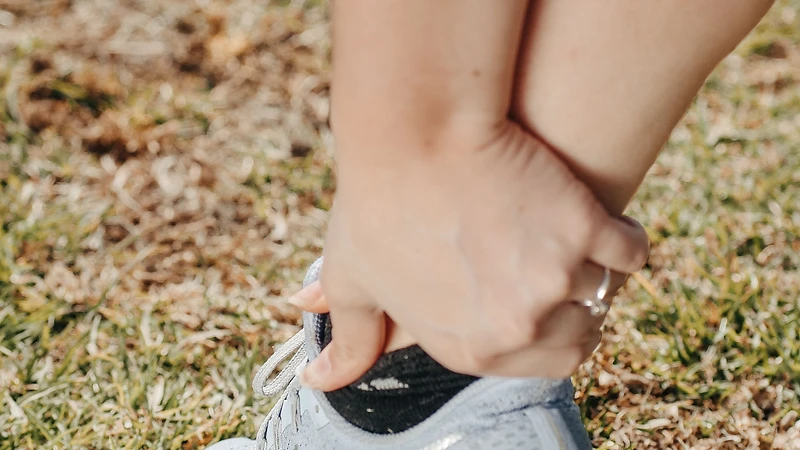

This section helps you match symptoms to smart next steps. It is not a medical diagnosis, but it is practical.
Plantar fasciitis (heel or bottom-of-foot pain)
Try:
- Calf stretches daily
- Foot roll gently
- Do not run hard or long right now
- Consider supportive shoes for walking around the house
Avoid:
- Sprinting, hills, and speed workouts
- Walking barefoot on hard floors all day
Metatarsalgia (ball-of-foot pain)
Try:
- Check shoe fit (more toe room helps)
- Avoid thin minimalist shoes for now
- Run on softer surfaces temporarily
- Reduce downhill running
Avoid:
- Hard speed sessions
- Worn out shoes with flat forefoot cushioning
Extensor tendon irritation (top-of-foot pain)
This condition, also known as extensor tendinitis, can be quite uncomfortable. Here are some tips to alleviate the pain:
Try:
- Loosen laces, skip an eyelet
- Make sure tongue is not folded or bunched
- Avoid very tight shoes
Avoid:
- Locking down laces too hard
- Hill repeats until it settles
Possible stress reaction or stress fracture (spot pain that gets worse)
Be extra careful if:
- Pain is in one small spot
- Pain increases as you run
- You feel pain when hopping on that foot
- You have swelling on top of the foot
If that sounds like you, do not "train through it." Rest and get evaluated. Stress fractures can get worse fast.
The "before your next run" checklist
Use this simple list the day you plan to run again.
- I can walk normally with no limp.
- Pain at rest is 0 to 2 out of 10.
- I changed at least one thing that likely caused the pain (shoes, mileage, surface, pace).
- I did calf stretching and a short foot routine.
- My shoes have enough toe room and are not worn out.
- I will do a 10-minute run-walk test, not a full run.
If you cannot check most of these boxes, wait another day or two and focus on recovery.
How to stop foot pain from coming back
Once you feel better, this is how you keep it that way.
Build mileage slowly
A simple rule: increase total weekly mileage by about 10% or less most weeks. If you add speed work, keep mileage steady.
Do not add two "hard changes" at the same time
Hard changes include:
- New shoes
- More miles
- More speed
- More hills
- More trail time
Change one thing, then give it a week or two.
Keep easy runs easy
Many runners run their easy days too fast. That can overload the feet without you noticing.
Strength train a little
Even 2 short sessions a week helps. Strong hips and calves take stress off the feet.
Good simple moves:
- Calf raises
- Single-leg balance
- Step-ups
- Glute bridges
Let's wrap up
Foot pain after running is your body asking for a small change.
Before your next run, do three things:
- Find the pain zone so you know what you are dealing with.
- Reset for 24 to 72 hours with lower impact and basic mobility.
- Test with a short run-walk instead of jumping back into normal training.
If pain is sharp, swelling is strong, or walking hurts, do not guess. Get it checked.
For those who have experienced foot pain due to running injuries, it is crucial to understand how to return after injury properly. Your goal is not just to run tomorrow. Your goal is to keep running next month without this becoming a bigger problem.
From page to pavement
Wear the idea you just read
Sore feet are sending you a message. Answer it with something you designed yourself, made for the return.
Design Your Own Running Apparel