
Injury & Recovery
Prevent Shin Splints Without Stopping Your Training
Shin splints coming on? Stop them without stopping your workouts. Practical fixes: load tweaks, shoes, drills, and recovery that works.
Oct 6, 2026
Reading pace
205 words/min
Duration
12:00 min
Elevation
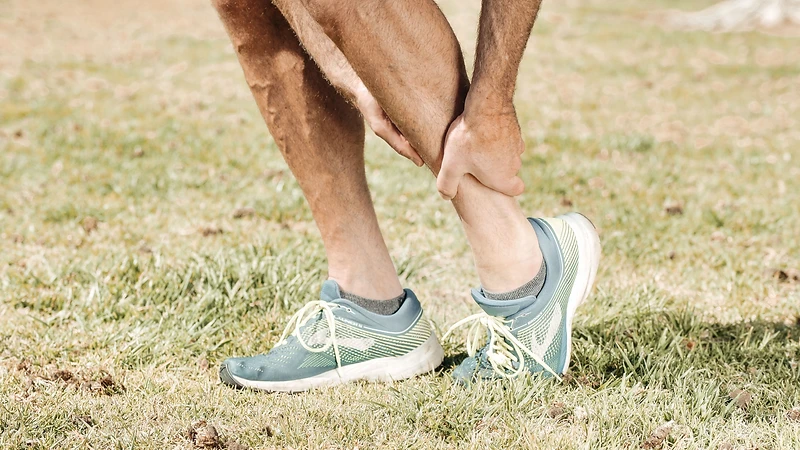
Nothing is more annoying than shin pain showing up right when your training is going well.
You finally build momentum. Your long run is getting longer. Your pace is improving. Then one day your shins start to ache, and suddenly you are worried you will have to stop running.
A lot of runners hear “shin splints” and assume it means total rest for weeks. Sometimes rest is needed, but many times you can keep training if you make smart changes early.
Most “shin splints” are what sports medicine often calls medial tibial stress syndrome (MTSS). It is usually caused by your body getting more running stress than it can handle right now. The fix is not a magic stretch or a new shoe. The fix is managing stress, building strength, and giving your legs enough time to adapt.
This guide will show you how to keep running while lowering your risk. You will learn how to adjust mileage, protect your shins during workouts, build stronger lower legs, recover better, spot early warning signs, and know when you should actually stop and get checked out.
What Causes Shin Splints?
Shin splints almost never happen from one single thing. It is usually a stack of stressors that add up.
Here are the most common contributors:
1) Sudden mileage increases
Going from 15 miles per week to 25 miles per week might not sound huge, but your lower legs feel every extra step.
2) Increasing intensity too fast
Adding tempo runs, intervals, or race pace work can spike stress even if your weekly mileage stays the same.
3) Adding hills (especially downhills)
Hills change how your foot hits the ground and how your calf and shin muscles work. Downhill running can be especially tough.
4) Increasing running frequency
Running 3 days per week to 5 days per week adds stress even if each run is short.
5) Too little recovery
Hard days stacked too close together can keep tissues irritated.
6) Returning too aggressively after a break
After time off, your lungs may feel fine, but your bones, tendons, and lower-leg muscles are not ready for the same load.
7) Strength and conditioning gaps
Weak calves, weak foot muscles, and poor single-leg control can make your shins do extra work.
8) Changing surfaces
More concrete, more cambered roads, more treadmill, more trails. Any big surface change can irritate the area.
9) Changing shoes
A new shoe can be great, but it still changes how forces travel through your legs.
The big idea is simple: shin splints happen when training stress rises faster than your body can adapt.
Can You Keep Running While Preventing Shin Splints?
Yes, many runners can keep running.
But there is one rule you cannot break:
Continuing to train does not mean ignoring pain or pushing through worsening symptoms.
Think of it like this. Your job is to find the highest training level your body can handle right now without the pain trending upward. That might mean you keep running, but you change the mix.
Some runners do well by adjusting:
- weekly mileage
- long run length
- speed work
- hill work
- running frequency
- surfaces
- recovery days
- cross-training days
If symptoms keep getting worse, you need a bigger adjustment.
Reduce Your Training Load Before Shin Pain Gets Worse
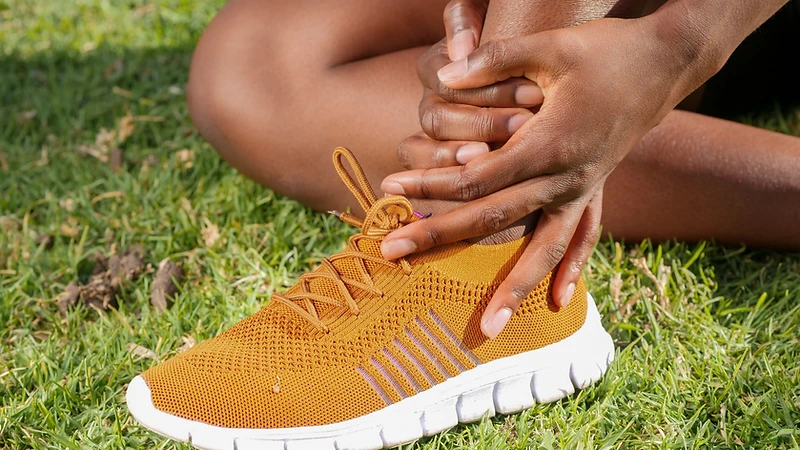

The best time to act is when the pain is still mild.
If you wait until it hurts during every run, the fix usually takes longer.
A simple “early discomfort” plan (1 to 2 weeks)
If you notice your shin starting to feel tight, sore, or tender:
- Cut weekly mileage by about 20 to 30%
- Shorten your long run
- Remove speed workouts and hill repeats for now
- Add one extra rest day
- Swap one run for low-impact cardio (bike, swim, elliptical)
- Keep easy runs easy (more on this below)
This is not quitting. This is how you keep your training plan alive instead of blowing it up completely.
What this might look like in real life
If you normally do:
- Tue: intervals
- Thu: tempo
- Sat: long run
- plus two easy runs
Then for a week you could do:
- Tue: easy run
- Thu: easy run or bike
- Sat: shorter long run at easy effort
- plus one or two easy runs only if symptoms stay calm
You keep the habit. You keep your fitness. You lower the stress that is irritating your shins.
Increase Mileage Gradually (But Do It the Smart Way)
People talk about the “10% rule,” but real life is messier than that. Some runners can increase faster, some cannot.
A better framework is this:
Running load has multiple knobs
You can increase stress by:
- adding more total miles per week
- adding an extra running day
- making the long run longer
- running faster workouts
- adding hills
- running more on hard surfaces
If you turn up several knobs at once, shin splints become more likely.
A safer approach
- Increase only one knob at a time
- Hold steady for a week if your legs feel “on the edge”
- When in doubt, repeat a week instead of forcing the next step
This is especially important after:
- a break from running
- a new shoe change
- adding track workouts
- starting hill training
- starting a new training plan
Keep Easy Runs Actually Easy
Many runners accidentally turn easy days into medium-hard days. That is a common shin splint setup.
What “easy” should feel like
- You can speak in full sentences
- Breathing feels controlled
- You finish feeling like you could do more
If you run easy days too fast, your lower legs never get a real break. Your “hard” days become harder too, because you start them already tired.
A simple check
If you do a workout Tuesday and your shins feel beat up Wednesday, do not try to “run through it” at a normal pace. Go slower, shorten the run, or replace it with cross-training.
Easy days are where you protect consistency.
Be Careful With Hills and Speed Work
Fast running and hills are great tools, but they can be rough on the lower legs.
Workouts that often flare shin splints
- hill repeats
- steep uphills
- downhills
- track intervals
- lots of fast turns on a track
- aggressive tempo runs when already tired
How to keep training without poking the bear
If you are feeling shin warning signs:
- keep one quality day, not two
- choose flatter routes
- avoid hard downhills
- shorten the fast portion of a workout
- increase warm-up time and start slower
- consider swapping speed for steady aerobic running for 1 to 2 weeks
You can still build fitness with:
- easy running volume
- steady runs at comfortable pace
- long runs that stay truly easy
Most runners do not lose much fitness from temporarily removing speed. Many runners get faster later because they stay healthy.
Strengthen Your Calves, Shins, and Feet (The Right Way)
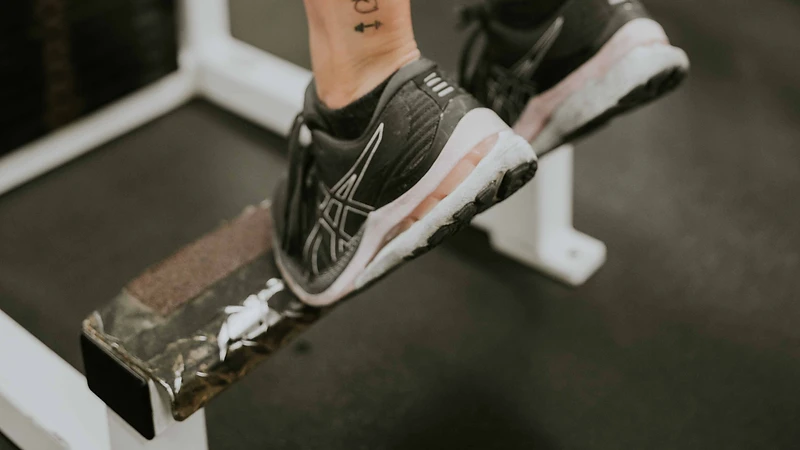

Strength work is one of the best long-term tools for shin splints because it helps your lower legs tolerate impact.
You do not need a fancy gym routine. You need consistency.
Key exercises for shin splint prevention
1) Straight-leg calf raises (gastrocnemius)
- Stand on a step if possible
- Rise up, pause, lower slowly
- Start with 2 sets of 10 to 15 per leg
- Use weights if needed
2) Bent-knee calf raises (soleus)
- Same movement, but knees slightly bent
- This targets a calf muscle that matters a lot for running
- Start with 2 sets of 10 to 15 per leg
- Use weights if needed
3) Tibialis raises (front of shin)
- Stand with your back against a wall, feet a bit forward
- Lift your toes toward your shins
- Start with 2 sets of 10 to 20
4) Single-leg balance
- Stand on one foot for 30 to 45 seconds
- Make it harder by turning your head slowly or closing your eyes
- Do 2 rounds each side
5) Foot strength (simple options)
- Towel scrunches with your toes
- “Short foot” holds (raise the arch gently without curling toes)
- 1 to 2 minutes total per foot
6) Single-leg strength (for control)
- Step-ups
- Split squats
- Single-leg deadlifts (light weight is fine)
- 2 to 3 sets of 6 to 10 each side
How often?
Two to three times per week is enough for most runners.
A big warning
If you already have shin pain, do not turn strength day into a torture session. Start small. Mild muscle burn is fine. Sharp pain is not.
Warm Up Like You Mean It
A rushed start can make tight lower legs feel worse.
Before runs, especially workouts or long runs:
- walk 3 to 5 minutes
- easy jog 5 to 10 minutes
- add 3 to 4 short strides on flat ground (only if pain-free)
A warm lower leg handles load better than a cold one.
Recovery: The Missing Piece Most Runners Ignore
Training breaks you down. Recovery builds you back stronger.
If your recovery is poor, your shins pay the price.
Focus on the big recovery levers
Sleep
Try to get consistent sleep. Many runners notice soreness goes up fast when sleep drops.
Rest days
Rest is not laziness. It is part of the plan. If your shins are cranky, an extra rest day can be the difference between “annoying” and “injury.”
Fuel and hydration
Under-eating makes it harder for bone and connective tissue to repair. Aim for enough total calories and enough protein.
Spacing hard sessions
Avoid stacking hard run days back-to-back when your shins feel sensitive.
Pay Attention to Running Surfaces
Surface changes matter more than people think. The type of surface you're running on can significantly affect your performance and risk of injury, as detailed in this comprehensive study.
- Concrete is often harder than asphalt
- Cambered roads (slanted roads) can load one leg differently
- Trails can be softer but also uneven
- Tracks have lots of turning, which can irritate some runners
- Treadmills can be helpful when outside surfaces bother you
Simple surface tips
- Rotate routes instead of always running the same slanted road
- If you are flaring up, choose flatter, smoother routes
- Consider one treadmill run per week during a sensitive phase
Shoes: Helpful, But Not the Main Fix
Shoes can matter, but they are usually not the full story.
A few practical guidelines:
- Do not change shoes and increase mileage at the same time
- Replace very worn shoes if the midsole is dead
- Avoid sudden jumps to a very different style (like drastically lower drop) while training hard
If you want to try a new shoe, introduce it on short easy runs first.
How to Spot Warning Signs Early (So You Can Adjust Fast)
Shin splints often give hints before they become a real problem.
Watch for:
- pain that starts earlier in the run than it used to
- pain that lingers longer after the run
- tenderness when you press along the inner shin
- stiffness the next morning that is getting worse week to week
- pain that changes your stride (limping or “protecting” the leg)
A good rule: If symptoms are trending worse across several runs, your plan needs a change now, not later.
What to Do When Shin Pain Starts (Step-by-Step)
If you want a clear action plan, use this:
Step 1: Rate your pain and watch the trend
Ask:
- Does it warm up and go away, or does it build as the run goes on?
- Is it better, worse, or the same each day?
Step 2: Make a small change first (for mild symptoms)
For mild discomfort that does not worsen during the run:
- reduce weekly mileage 20 to 30%
- remove speed and hills for 7 to 14 days
- add rest or cross-training
- keep easy runs easy
Step 3: Rebuild slowly after it calms down
Once symptoms improve:
- add mileage back in small steps
- keep intensity limited at first
- add hills last, not first
Step 4: If it keeps getting worse, make a bigger change
If pain is sharper, shows up earlier, or lingers longer:
- take more rest days
- replace more runs with cross-training
- consider stopping running for a short period to reset the irritation
When You Should Stop Running and Get Checked Out
This part matters, because not all shin pain is “just shin splints.” In some cases, continuing to run can make things much worse.
Stop running and seek medical or professional evaluation if you have:
- pain in a very specific spot on the shin bone (point tenderness)
- pain that does not improve as you warm up
- pain that gets worse during the run every time
- pain at rest or at night
- swelling, numbness, or tingling
- a sudden sharp pain that changes your gait
- symptoms that persist even after cutting training for 2 to 3 weeks
These can be signs of a more serious problem, including a bone stress injury. Getting checked early is how you avoid a long shutdown later.
A Sample Week: Train While Protecting Your Shins
Here is a simple example for a runner who wants to keep training but reduce shin stress. Adjust the days to fit your life.
- Day 1: Easy run (shorter than usual) + calf and tibialis strength
- Day 2: Cross-train (bike or swim) + light foot work
- Day 3: Easy run on flat route
- Day 4: Rest day + optional strength (single-leg work)
- Day 5: Easy run with a few short strides if pain-free
- Day 6: Long run, but shorter and slower than normal
- Day 7: Rest or easy cross-training
If you normally do two speed sessions, you can bring one back later, after symptoms settle.
Final Thoughts: Keep Training, But Train Smarter
Preventing shin splints is not about finding one perfect stretch or one perfect shoe.
It is about matching your training stress to what your body can handle right now, then slowly expanding that capacity with smart running, strength work, and real recovery.
The goal is not to run as much as possible.
The goal is to keep running consistently for months and years, because consistency is what makes you stronger.
If your shins start to whisper, listen early. Make a small change now so you do not need a big change later.
From page to pavement
Wear the idea you just read
Shin splints don't end a season when you load smarter. Design the piece that keeps you honest about the load while you rebuild.
Design Your Own Running Apparel