
Injury & Recovery
Why Does My Knee Hurt When Running?
Why does your knee hurt when running? The location of the pain is the biggest clue. Here is how to pinpoint the cause, respond right away, and recover without losing your fitness.
Oct 20, 2026
Reading pace
185 words/min
Duration
13:00 min
Elevation
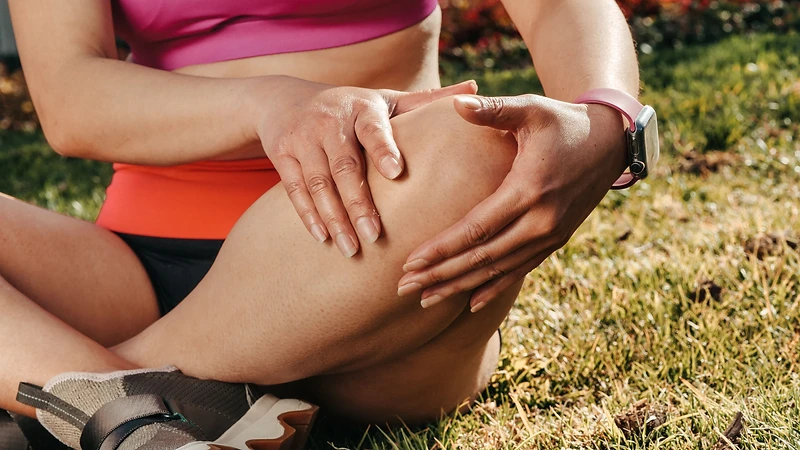
Knee pain is one of the most common problems runners deal with. It can start as a small ache, then slowly grow into something that ruins workouts, long runs, or even daily walks.
If you are asking "why does my knee hurt when running?", the answer is usually not just one thing.
It can come from training mistakes, weak muscles, poor running form, or plain overuse. Sometimes it is a mix of all of these.
The good news is that the location and type of pain can give useful clues. Pain in the front of the knee often points to different problems than pain on the outside or under the kneecap.
Still, symptoms alone cannot confirm a medical diagnosis. They can only help you make smarter choices about what to do next.
In this article, we'll show you how to understand knee pain when running, how to respond right away, how to recover, and how to lower your chances of it coming back.## Understanding Where Your Knee Hurts and What It Might Mean
The location of knee pain can offer clues about what might be causing it and how you should respond.
Pain Around or Behind the Kneecap
This is one of the most common types of knee pain when running. Many runners call it "runner's knee," and the medical term is often patellofemoral pain syndrome (PFPS).
Common signs:
- Achy pain around or behind the kneecap
- Pain that gets worse going downhill or downstairs
- Pain after sitting for a long time (the "movie theater sign")
- Pain that builds during a run instead of hitting suddenly
What often contributes:
- Weak hips or glutes (the knee takes extra stress)
- Tight quads, calves, or hip flexors
- Sudden jump in mileage or speed work
- Running form that increases knee load (like overstriding)
Pain on the Outside of the Knee
Pain on the outer side of the knee is often linked to IT band irritation (iliotibial band syndrome), especially if it feels sharp and shows up at a specific time or distance during a run.
Common signs:
- Sharp or burning pain on the outside of the knee
- Pain that starts after a certain mileage mark
- Pain that gets worse downhill
- Tenderness on the outside of the knee
What often contributes:
- Weak hip stabilizers (especially glute medius)
- Too much running on slanted roads
- Big mileage increase without recovery
- Stride issues like crossover gait (feet crossing midline)
Pain Below the Kneecap (Patellar Tendon Area)
Pain just below the kneecap can point to patellar tendon irritation, sometimes called "jumper's knee." Runners can get it too, especially with hills, speed work, and lots of hard efforts.
Common signs:
- Pain at the tendon just below the kneecap
- Pain during push-off, hills, or faster running
- Stiffness early in the run that may warm up, then worsen later
What often contributes:
- Sudden increase in speed sessions or hill repeats
- Weak quads or calves (tendons take more load)
- Not enough recovery between hard days
Pain on the Inside of the Knee
Inner knee pain can come from several causes, including irritation of tissues on the inside of the joint, pes anserine irritation (a tendon area), or overload from poor mechanics.
Common signs:
- Achy pain on the inside of the knee
- Tenderness a few inches below the joint line (sometimes)
- Pain that increases with higher mileage or hills
What often contributes:
- Knee collapsing inward while running (hip weakness)
- Tight adductors or hamstrings
- Too much volume too soon
Pain in the Back of the Knee
Pain behind the knee can be linked to tight calves and hamstrings, irritation of structures in the back of the joint, or overload from hills and speed.
Common signs:
- Tight, pulling sensation behind the knee
- Pain that worsens with faster running or hills
- Stiffness after the run
What often contributes:
- Calf tightness and limited ankle mobility
- Hamstring overload
- Overstriding (landing too far ahead)
Training Mistakes That Commonly Cause Knee Pain When Running
Most knee pain when running starts with a training problem, not a "bad knee."
Doing Too Much, Too Soon
Your body adapts, but it needs time. A big jump in mileage, long runs, or intensity can overload the knee.
Common examples:
- Going from 10 miles per week to 20 miles per week quickly
- Adding speed work and hills in the same week
- Racing often without recovery time
A simple guideline many runners use:
- Increase weekly mileage slowly, and cut back every few weeks if needed
- Add only one "new stress" at a time (distance or speed or hills)
Too Many Hard Days
A hard day is not just speed work. Long runs, hill repeats, and even runs on tired legs can count.
Signs you may need more recovery:
- Knee pain that gets worse each run
- Heavy legs that never feel fresh
- Worse sleep and unusually high effort at easy paces
Running Only One Speed (Always Medium-Hard)
Many runners live in the "gray zone," where every run is sort of hard. That makes overuse problems more likely.
Better pattern for many runners:
- Most runs easy
- A small number of runs truly hard
- Recovery days that are actually easy
Muscle Weakness and Tightness That Shift Stress to the Knee
Your knee is stuck between your hip and your ankle. If either end is not doing its job, the knee often pays the price.
Weak Glutes and Hip Stabilizers
Weak glutes can cause the thigh to rotate inward and the knee to cave inward with each step. Over time, that can lead to knee pain when running.
Common clues:
- Knees knock inward when you squat or go downstairs
- One hip drops when you stand on one leg
- Pain increases with longer runs and fatigue
Helpful strength moves (start easy, focus on control):
- Side-lying leg raises
- Clamshells
- Glute bridges
- Step-downs from a low step
Tip: Give these a quick YouTube or Google search and you'll be able to learn how to do each exercise very quickly.
Weak Quads (or Quads Not Sharing Load Well)
The quads help control the kneecap and absorb force. If they are weak or not trained through a safe range, the knee may feel sore.
Good beginner options:
- Wall sits (short holds)
- Sit-to-stand from a chair
- Split squats with shallow depth
Tight Quads, Hip Flexors, Calves, or Hamstrings
Tight muscles can change how the kneecap tracks and how force moves through the leg.
Simple mobility habits that often help:
- Gentle quad and hip flexor stretching after runs
- Calf stretching and ankle mobility drills
- Light foam rolling (not aggressive pain hunting)

Running Form and Biomechanics That Can Trigger Knee Pain When Running
You do not need "perfect form," but small changes can reduce knee stress a lot.
Overstriding
Overstriding means your foot lands too far in front of your body. This often increases braking forces and load on the knee.
Common clues:
- Loud steps
- Feeling like you are "reaching" forward
- Knee pain that builds as you fatigue
A simple fix many runners try:
- Slightly shorter steps
- Slightly higher cadence (small increase, not extreme)
Knee Valgus (Knee Caving In)
If the knee collapses inward during landing, the knee can get irritated over time.
What helps most is usually:
- Hip and glute strengthening
- Running drills that improve control (like skips and strides)
- Slowing down on easy days so form stays cleaner
Too Much Downhill Running
Downhills demand more braking and quad control, which can aggravate runner's knee and patellar tendon pain.
If downhill running triggers knee pain when running:
- Reduce downhill volume for a few weeks
- Keep steps short and quick downhill
- Strengthen quads gradually
Shoes, Surfaces, and Gear Factors You Might Be Missing
Shoes and surfaces rarely cause knee pain by themselves, but they can push a small problem into a bigger one.
Worn-Out Shoes
Old shoes may lose cushioning and stability. Some runners notice knee pain when running shows up right when shoes get past their best days.
General clues it is time to replace:
- Soles are unevenly worn
- Midsole feels flat or hard
- New aches started after many months of use
Sudden Shoe Changes
Switching to a very different shoe can change how your leg loads.
If you change shoes:
- Break them in slowly
- Avoid doing your hardest workouts in brand-new shoes right away
Uneven or Slanted Surfaces
Running on a road shoulder that tilts can irritate the outside or inside of the knee over time.
Try:
- Switching directions on an out-and-back
- Choosing flatter routes
- Mixing treadmill, track, and trail if tolerated

What to Do Right Away When You Get Knee Pain While Running
Fast, smart action can stop a small issue from becoming a long injury break.
Use a Simple Pain Rule
A practical guideline many runners use:
- 0 to 2 out of 10 pain: often okay to keep running easy
- 3 to 5 out of 10 pain: reduce volume, avoid hills/speed, monitor closely
- Above 5 out of 10 pain, limping, or sharp pain: stop and rest
Also pay attention to the "next day rule":
- If pain is worse the next day, you did too much.
Modify Training Instead of Quitting Everything
Many cases of knee pain when running improve with smart changes:
- Cut mileage for 1 to 2 weeks
- Remove speed work and hills temporarily
- Replace some runs with cycling, swimming, or elliptical
Calm It Down, Then Rebuild
Helpful short-term steps:
- Ice if it feels inflamed after activity
- Elevate and rest if it is throbbing
- Gentle mobility if it feels tight and stiff
If swelling is significant, pain is sudden, or the knee feels unstable, do not try to "push through."
How to Recover and Return to Running Safely
Recovery is not just rest. It is a plan: reduce irritation, rebuild strength, then return slowly.
Start With Pain-Free Strength Work
Before building running back up, focus on strength that does not flare symptoms.
A simple approach:
- 2 to 3 strength sessions per week
- Keep pain low (0 to 2 out of 10 during exercise)
- Build control before adding heavy load
Use a Run-Walk Return if Needed
If continuous running hurts, a run-walk plan can help you return without overloading the knee.
Example (adjust to your level):
- Run 1 minute, walk 1 minute for 20 minutes
- Repeat every other day
- Increase running time slowly each week
Reintroduce Speed and Hills Last
Even if you "feel fine," speed work and hills are common triggers for knee pain when running. Add them back only after easy runs feel normal for a few weeks.
How to Prevent Knee Pain When Running Long-Term
Prevention is mostly about consistency, strength, and patience.
Build a Smarter Weekly Structure
Good habits that protect your knees:
- Keep easy runs easy
- Avoid stacking too many hard days
- Take at least one rest or low-impact day each week
Strength Train Like It Is Part of Running
Strength is not "extra." For many runners, it is what keeps knee pain away.
A balanced runner strength plan often includes:
- Glutes and hips (side-to-side control)
- Quads (knee control)
- Calves (ankle support and push-off power)
- Core (stability so legs do not compensate)
Pay Attention to Early Warning Signs
Do not wait until you can barely run.
Early signs to respect:
- Knee stiffness that lasts into the day
- Pain that shows up earlier each run
- Pain that changes your stride
Know When to See a Professional
Get checked if you have:
- Swelling, locking, or the knee giving way
- Severe pain or a sudden "pop"
- Pain that does not improve after 2 to 4 weeks of smart changes
- Pain that makes you limp
Knee pain when running is common, but it is not something you have to accept as normal. With the right adjustments, most runners can get back to training and keep their knees happier for the long run.
Remember, listening to your body and acting early can prevent minor aches from becoming major injuries. Prioritize rest, proper form, and strength training to support your knees and ensure a healthy, enjoyable running journey.
If your pain persists or worsens, consult a healthcare professional to rule out serious issues. Early intervention can make all the difference in maintaining both your performance and your passion for running.
Final Thoughts
Knee pain while running is common but can often be managed by identifying the pain's location and making smart training adjustments like varying intensity, incorporating rest, and strengthening key muscles.
Paying attention to early warning signs and addressing form issues helps prevent minor discomfort from becoming serious. If pain persists or worsens, consulting a healthcare professional is important for proper diagnosis and treatment.
Stay positive and proactive. Your dedication to listening to your body and making thoughtful changes will lead you back to strong, pain-free running.
From page to pavement
Wear the idea you just read
Knee pain is information, not a verdict. Design the piece you come back in, printed with the reminder to respect the signal.
Design Your Own Running Apparel